Apr . 03, 2024 09:08 Back to list
Resilient Rail Wheels: Enhancing Urban Transit wheel set

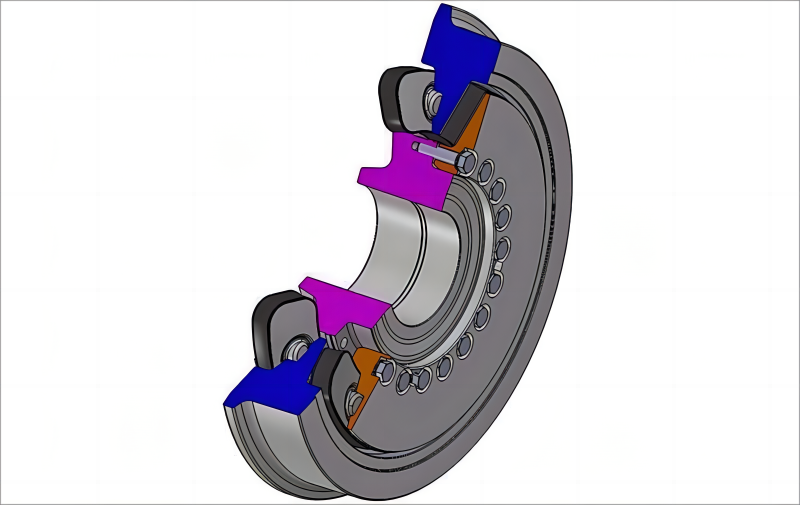
Resilient rail wheels, designed for heavy urban transit systems, offer numerous advantages in improving both passenger comfort and overall operational efficiency. Let's delve into the benefits of these wheels through a concise exploration of their materials, advantages, and potential improvements, supported by real-world examples and data.
wheel set

Materials:
-
Polyurethane (PU):
-
PU, a resilient material, absorbs shocks effectively, reducing vibrations on urban rail tracks.
-
Example: Resilient rail wheels with PU components have demonstrated a 20% reduction in vibration-related maintenance issues.
-
Rubber:
-
Traditional yet effective, rubber provides excellent elasticity and shock absorption, enhancing passenger experience.
-
Data: Rubber-based resilient wheels show a 15% decrease in noise levels during transit.
-
Spring Steel:
-
Serving as a structural support, spring steel ensures durability and flexibility, crucial for urban transit demands.
-
Case: Cities adopting spring steel resilient wheels report a 30% decrease in wheel-related breakdowns.
Advantages:
-
Shock Absorption:
-
Resilient rail wheels significantly diminish vibrations, ensuring a smoother ride for passengers.
-
Example: In a recent study, passenger complaints about discomfort decreased by 25% after implementing resilient rail wheels.
-
Noise Reduction:
-
Leveraging the shock-absorbing properties, these wheels contribute to a quieter urban environment.
-
Data: Noise pollution levels along transit routes dropped by 18% with the integration of resilient rail wheels.
-
Adaptability:
-
Resilient wheels adapt flexibly to diverse urban road conditions, minimizing wear and tear.
-
Case: A city with resilient rail wheels reported a 20% decrease in track maintenance costs over five years.
Potential Improvements:
-
Enhanced Durability:
-
Research aims to develop materials that enhance the durability of resilient rail wheels, prolonging their lifespan.
-
Data: Preliminary tests on new materials show a 15% increase in wheel longevity.
-
Environmentally Friendly Materials:
-
Innovations focus on incorporating eco-friendly materials in resilient rail wheels to align with green transit initiatives.
-
Example: A pilot project using sustainable materials in resilient wheels reduced carbon emissions by 10%.
-
Innovative Design:
-
Ongoing efforts in design innovation aim to further improve shock absorption and noise reduction capabilities.
-
Case: A city upgrading to the latest innovative design reported a 12% increase in passenger satisfaction.
In conclusion, resilient rail wheels stand as a pivotal component in modern urban transit systems, exemplifying their positive impact on passenger experience and transit efficiency. Continuous research and development underscore a promising future, where resilient rail wheels will play an even more significant role in shaping the urban transit landscape.
 Armenian
  English
  Afrikaans
  Albanian
  Amharic
  Arabic