Aug . 31, 2024 01:58 Back to list
4836 Locomotive – Exploring the Power and Engineering Behind the Iconic Engine
The Evolution and Importance of the 4836 Locomotive
The 4836 locomotive represents a significant chapter in the history of rail transport. This powerful engine, known for its exceptional performance and reliability, has played a crucial role in the development of rail networks across various regions. To understand the importance of the 4836 locomotive, we must delve into its history, features, and impact on transportation.
The 4836 is part of a renowned series of locomotives that were first introduced in the mid-20th century. Designed primarily for freight service, these locomotives were built to handle the increasing demand for transporting goods over long distances. Equipped with robust engines and advanced technology for its time, the 4836 became a symbol of efficiency and strength in the railway industry.
One of the standout features of the 4836 locomotive is its impressive horsepower, allowing it to pull multiple freight cars even in challenging conditions. This capability not only improved the efficiency of freight transport but also reduced the number of locomotives needed for various routes, thereby saving costs and resources. The engineering behind the 4836 incorporated innovative design elements, including aerodynamic shapes and improved traction systems, which contributed to its remarkable performance on the tracks.
4836 locomotive
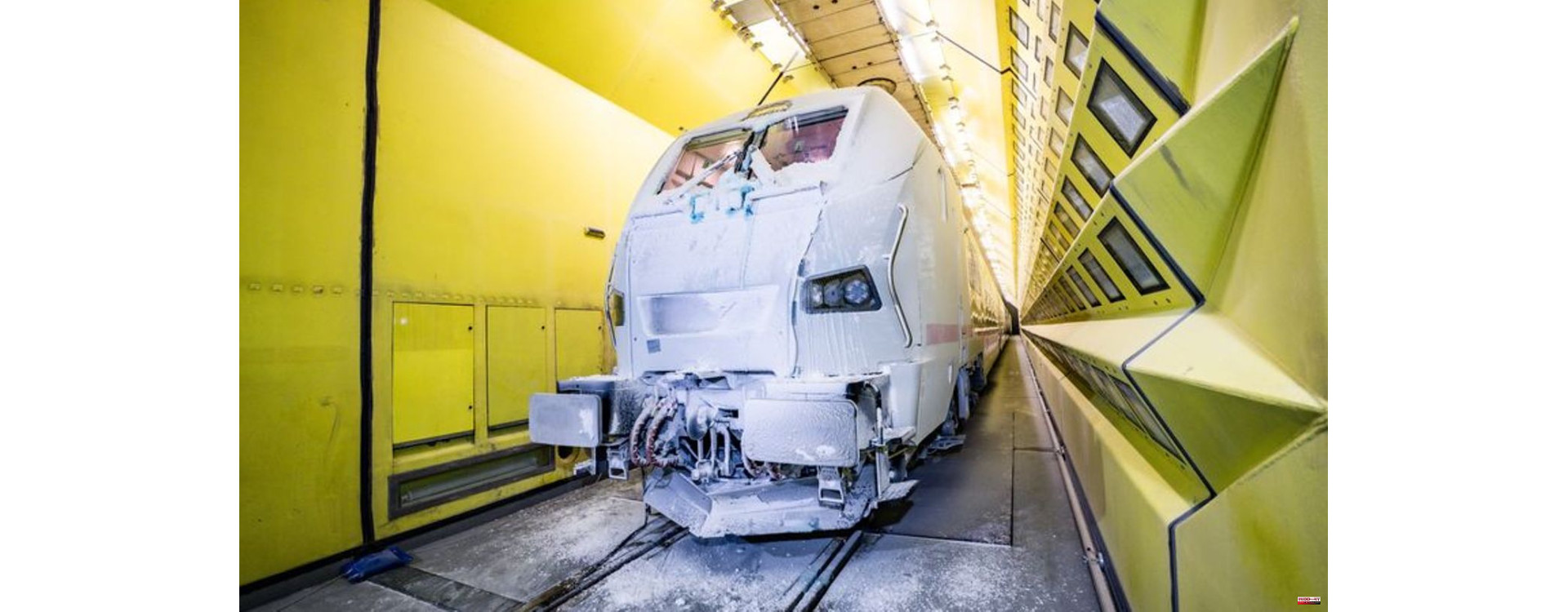
Beyond its mechanical prowess, the 4836 locomotive also represents a shift in the railway industry’s approach to transportation
. The growing emphasis on reliability and speed led to advancements in locomotive technology and infrastructure. Railroads began to modernize their fleets, investing in locomotives like the 4836 that could meet the demands of an evolving economy. This shift not only benefited freight transport but also set the stage for passenger rail services to improve over time.The impact of the 4836 locomotive extends beyond its operational capabilities. It symbolizes the sustainability of rail transport as an eco-friendly alternative to road transport. With increasing concerns over pollution and climate change, the role of trains in reducing carbon emissions has become more critical. By enabling efficient goods movement, the 4836 has contributed to a reduction in truck traffic on highways, which is beneficial for both the environment and traffic congestion.
Today, the legacy of the 4836 locomotive continues. While newer models have emerged, many railroads still rely on the original 4836 units, showcasing their durability and adaptability. Enthusiasts and historians alike celebrate these locomotives, recognizing their importance in shaping modern transportation.
In conclusion, the 4836 locomotive is much more than a mere machine; it embodies a significant evolution in railway technology and serves as a testament to engineering excellence. Its impact on freight transport, coupled with its contributions to sustainability, ensures its place in the annals of railway history. As we look to the future, the legacy of the 4836 reminds us of the vital role that locomotives will continue to play in our transportation systems.
 Arabic
  English
  Afrikaans
  Albanian
  Amharic
  Armenian